Meeting people used to happen mostly by accident, through the everyday overlap of neighborhoods, workplaces, and errands. As that overlap has shrunk, meeting people has become something you increasingly have to do on purpose. That's not a bad thing, it just means being intentional about where you show up.
Singles & Dating Tips
Tired of Swiping? Here's Where People Are Actually Meeting IRL
Apps didn't kill in-person connection, they just replaced the everyday spaces where it used to happen by accident. Here's how to rebuild those spaces on purpose.
 By Nanda ShannonIHP, MSW Candidate, Gottman Lessons in Love Leader, Mental Health & Relationships Educator
Quick Answers
- What you'll learn:A comprehensive, categorized list of ways to meet people in person, grounded in the "third places" concept
- Who it is for:Anyone finding it harder to meet people organically in an increasingly digital, isolated daily routine
- Research based:Sociological research on informal public gathering spaces ("third places")
- Key takeaway:Consistency and shared activity, not luck, are what build real in-person connection; if the right space doesn't exist, you can create it
The Concept Behind All of This: Third Places
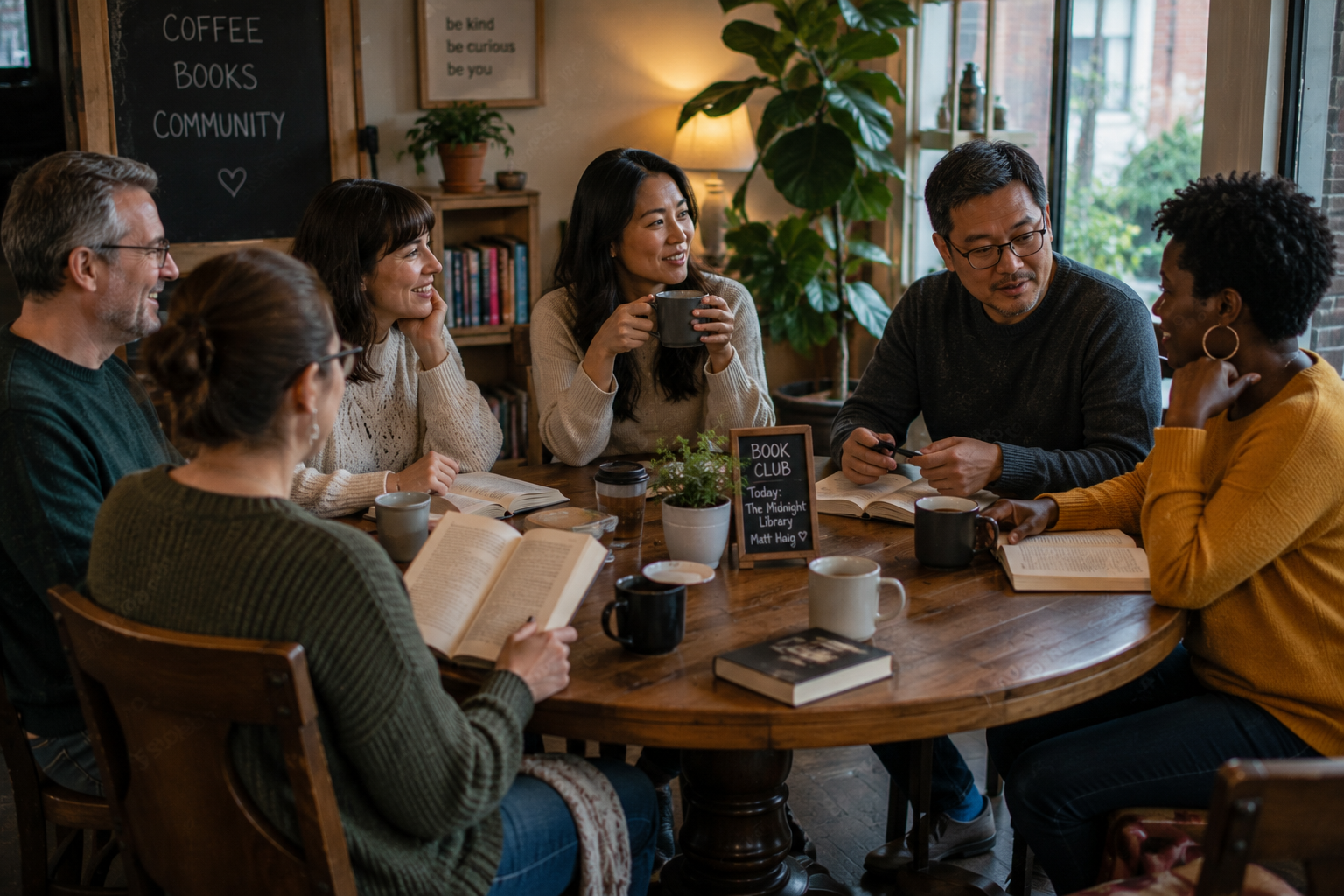
Sociologist Ray Oldenburg coined the term "third place" to describe the great variety of public spaces that host regular, informal, voluntary gatherings, distinct from home (your "first place") and work (your "second place").¹ In a third place, conversation is the main activity, strangers are welcome, and regulars feel a sense of belonging that rivals how they feel at home.¹ Classic examples include coffee shops, pubs, libraries, parks, and community centers, spaces open to all where people gather simply to enjoy company and conversation.
As more of daily life has narrowed to a loop of home, work, and back home again, regular interaction with other people has quietly disappeared for a lot of people, weakening social networks and reducing chances for meaningful connection.³ The good news: third places can be intentionally found or even created, and a useful framework for building one is purpose, then location, removing barriers, being welcoming, establishing a rhythm, cultivating regulars, keeping it simple, and taking initiative.²
Every idea below is really a version of finding, or building, a third place.
Recurring, Skill-Based Groups (Best Odds of Real Friendship)
These work well because you see the same people repeatedly, which is what actually builds familiarity and trust over time.
- Classes with a series format: pottery/ceramics studios, cooking or knife-skills classes, dance classes (salsa, swing, ballroom), improv or comedy classes, language exchange meetups
- College or continuing-education courses: community college non-degree courses, adult ed programs, university extension classes
- Creative practice groups: writing workshops, photography walks/clubs, community choir or band, open mic nights
- Maker and repair spaces: community maker spaces, repair cafés, community garden plots
Sports and Movement (Built-In Regulars, Built-In Teamwork)
- Co-ed recreational leagues: volleyball, kickball, softball, dodgeball, and especially pickleball, which has exploded specifically as a social, low-barrier sport
- Running clubs (one of the fastest-growing ways singles and newcomers are meeting people right now)
- Hiking groups and outdoor clubs
- Bouldering/climbing gyms, well known for having an unusually social, communal culture
- CrossFit boxes or fitness bootcamps, which lean heavily on group identity and camaraderie
- Yoga studios with a regular class schedule (same time, same instructor, same faces)
Hobby and Interest-Based Communities
This is where "the more ideas the better" really pays off, because a shared, specific interest gives you an instant conversation topic with strangers.
- Conferences or conventions on topics you enjoy: video games, comic books, tabletop gaming, nutrition and wellness, professional/industry topics
- Renaissance fairs and other themed seasonal events
- Tabletop RPG groups (Dungeons & Dragons nights at a local game store)
- Trivia nights at a regular bar or venue
- Wine tastings, brewery events, or tasting-room regulars nights
- Car enthusiast meets
- Genealogy or local history societies
- Fantasy sports leagues with in-person draft parties
Create Your Own Meetup
If the right group doesn't exist yet, you don't need permission to start one:
- Board game nights: host a recurring one for your school, apartment building, neighborhood, or friend group, low cost, low pressure, and naturally repeatable
- Neighborhood potlucks or block parties: even a small, informal version can become a regular fixture
- A themed monthly dinner or supper club with a rotating host
- A walking group that meets at the same corner at the same time every week
- Use Meetup.com, a local Facebook group, or Nextdoor to formally organize any of the above and make it easy for others to find and join
Community and Civic Life
- Volunteering, which pairs you with people who already share your values, doing something with tangible shared purpose
- Faith communities: church, temple, mosque, meditation centers, or other spiritual communities
- Neighborhood associations or local civic/political meetings
- Toastmasters or public speaking clubs
- Farmers markets, especially if you go at the same time each week and get to know the same vendors and regulars
- Community fridge or mutual aid groups
- Museum or gallery member events, and volunteering as a museum docent or usher for community theater
Everyday, Low-Commitment Spaces
- Coffee shops, especially ones you visit at the same time regularly, which is how "regulars" happen
- Co-working spaces, even for freelancers or remote workers without an office to go to
- Dog parks, if you have a dog, one of the most reliable natural conversation-starters that exists
- Alumni association events tied to your school
Newer, Structural Solutions to the Same Problem
- Apps and platforms specifically built to force in-person connection rather than replace it: Meetup.com for interest-based groups, apps like Timeleft that seat strangers together for dinner, or Bumble BFF for finding local friend groups
- "Speed-friending" events, modeled on speed dating but explicitly for platonic connection
What most articles won't tell you
Consistency and shared activity, not luck, are what build real in-person connection; if the right space doesn't exist, you can create it
Related Articles
The Introvert's Guide to Meeting People (No Small Talk Required)
The goal isn't to become more outgoing. It's to find settings where just showing up repeatedly does the work for you.
Read more
Scrolling Won't Fix Your Loneliness. Here's What Will
"Just put yourself out there" isn't backed by evidence. Here's what the research says works instead.
Read more
Dating App Burnout: Is Something Wrong With Me, or Am I Just Burned Out From the Apps?
There's a real, researched answer to this question, and it's more reassuring than you'd expect.
Read more
Red Flag or Just Normal Conflict? How to Tell the Difference
Not every uncomfortable moment is a warning sign, and not every warning sign feels dramatic. Here's how to actually tell them apart.
Read more